Licensed clinical social worker (LCSW)
An LCSW has a master’s degree in social work, supervised clinical experience, and a state license. LCSWs provide psychotherapy and also look at the larger picture of a person’s life, such as family, work, health, community resources, and the systems around them. In Texas, an LCSW who has met additional requirements can also be approved as a supervisor, which is what the “-S” in LCSW-S means.
Licensed professional counselor (LPC)
An LPC has a master’s degree in counseling and supervised clinical experience. Like LCSWs, LPCs provide talk therapy for a wide range of concerns.
Licensed marriage and family therapist (LMFT)
An LMFT is trained to work with couples and families, focusing on relationships and how they affect everyone in them.
Psychologist
Psychologists generally hold a doctoral degree. They provide therapy, and are also trained in psychological testing and assessment, which can help clarify diagnoses such as ADHD or learning differences.
Psychiatrist
A psychiatrist is a medical doctor who can diagnose mental health conditions and prescribe medication. Many psychiatrists focus on medication management rather than weekly talk therapy, so it is common to work with a therapist and a prescriber together.
So who should you see?
These professions overlap, and each can be helpful. A few rules of thumb:
- For talk therapy about stress, depression, anxiety, grief, trauma, or relationships, a licensed therapist (LCSW, LPC, LMFT) is a good place to start
- If you think medication might help, ask your primary care provider or a psychiatrist
- If you need formal testing, look for a psychologist
Whatever the letters, fit and experience matter. You can always check that someone is licensed through the Texas Behavioral Health Executive Council’s license lookup. If you’d like to talk about whether therapy with me makes sense for you, read more about my background or reach out.
This article is for general education and is not a substitute for professional diagnosis or treatment.
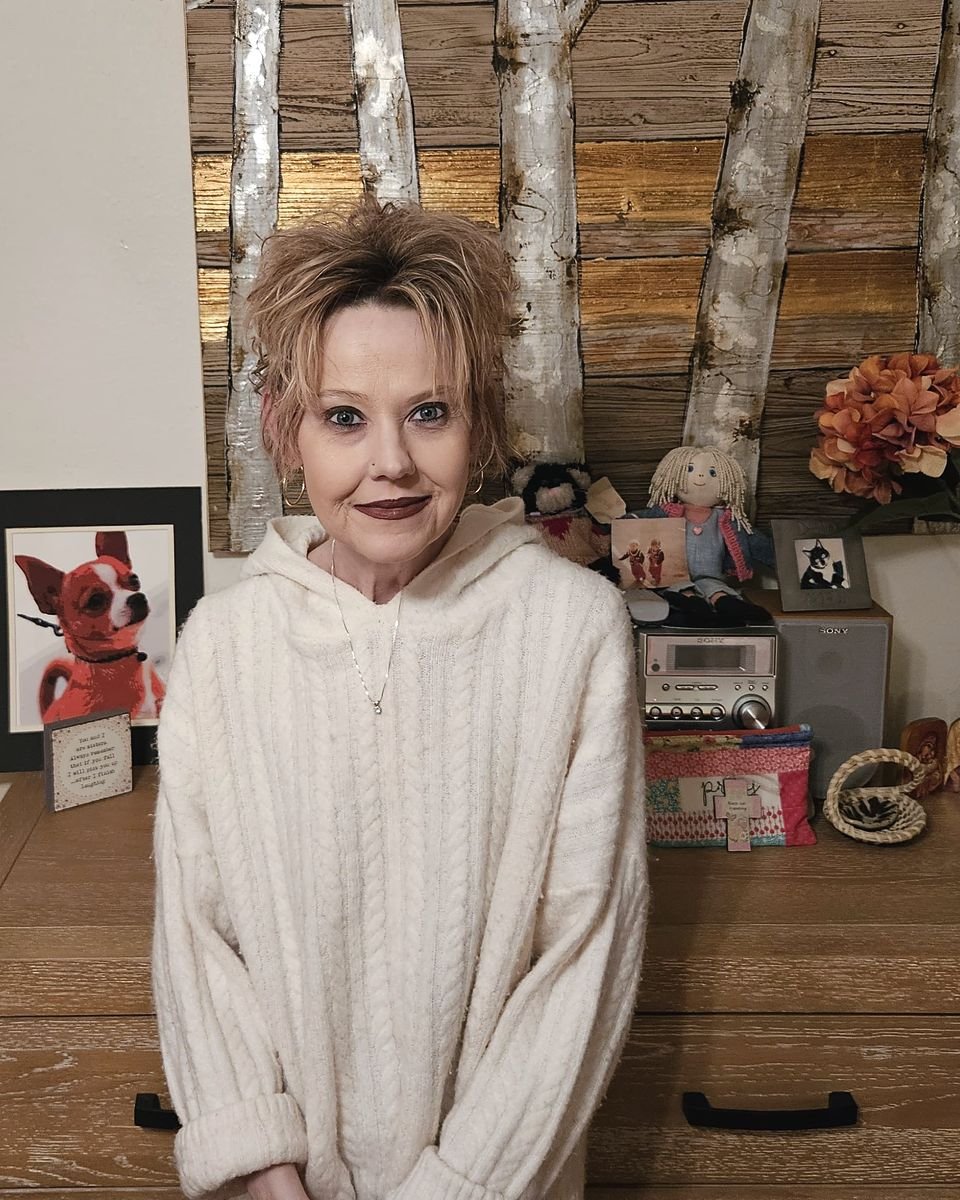
Written by
Tonya Boyett-Etheridge, LCSW-S
Licensed clinical social work supervisor in Texas with 27 years of experience. I see clients in person in San Angelo, TX, and online across Texas.