Before you arrive
Most therapists will ask you to complete some paperwork ahead of time, such as contact information, a brief history, and consent forms. It helps to think about what brought you in, but you do not need a polished answer.
- A list of what you’d like help with, even if it’s messy
- Any questions you have for the therapist
- Names of medications you take, if relevant
- A quiet, private space if your session is online
The first conversation
The first session is usually a getting-to-know-you conversation. I will ask what is going on, how long it has been happening, and what you hope will change. We might also talk about your history, your relationships, your health, and what support you already have. I look at the whole person, so these pieces all matter.
You will also hear about confidentiality. In general, what you share stays private, with limited exceptions required by law, such as a risk of serious harm to yourself or others, or the reporting of abuse. Your therapist should explain this clearly.
It’s okay not to know where to start
Many people tell me they don’t know what to say. That is completely normal. You can begin with whatever feels most pressing, or simply say, “I’m not sure where to start.” You are in charge of how much you share and how fast.
You also do not have to be in crisis to come. People start therapy for stress, grief, relationship strain, or because they just feel stuck.
How to tell if it’s a good fit
Research consistently shows that the relationship between you and your therapist matters. After the first session or two, ask yourself:
- Did I feel listened to and respected?
- Did the therapist explain how they work?
- Do I feel I can be honest here?
- Do I have a sense of what we’ll work on?
If something feels off, it is fine to say so, or to try someone else. A good therapist wants you to find the right fit.
In person or online
The first session works the same way online as in person. For online sessions, find a private spot, test your connection, and keep your phone on silent. I see clients in person in San Angelo and online anywhere in Texas.
Ready to talk? You can call or schedule a visit, and we’ll find a time that works.
This article is for general education and is not a substitute for professional diagnosis or treatment.
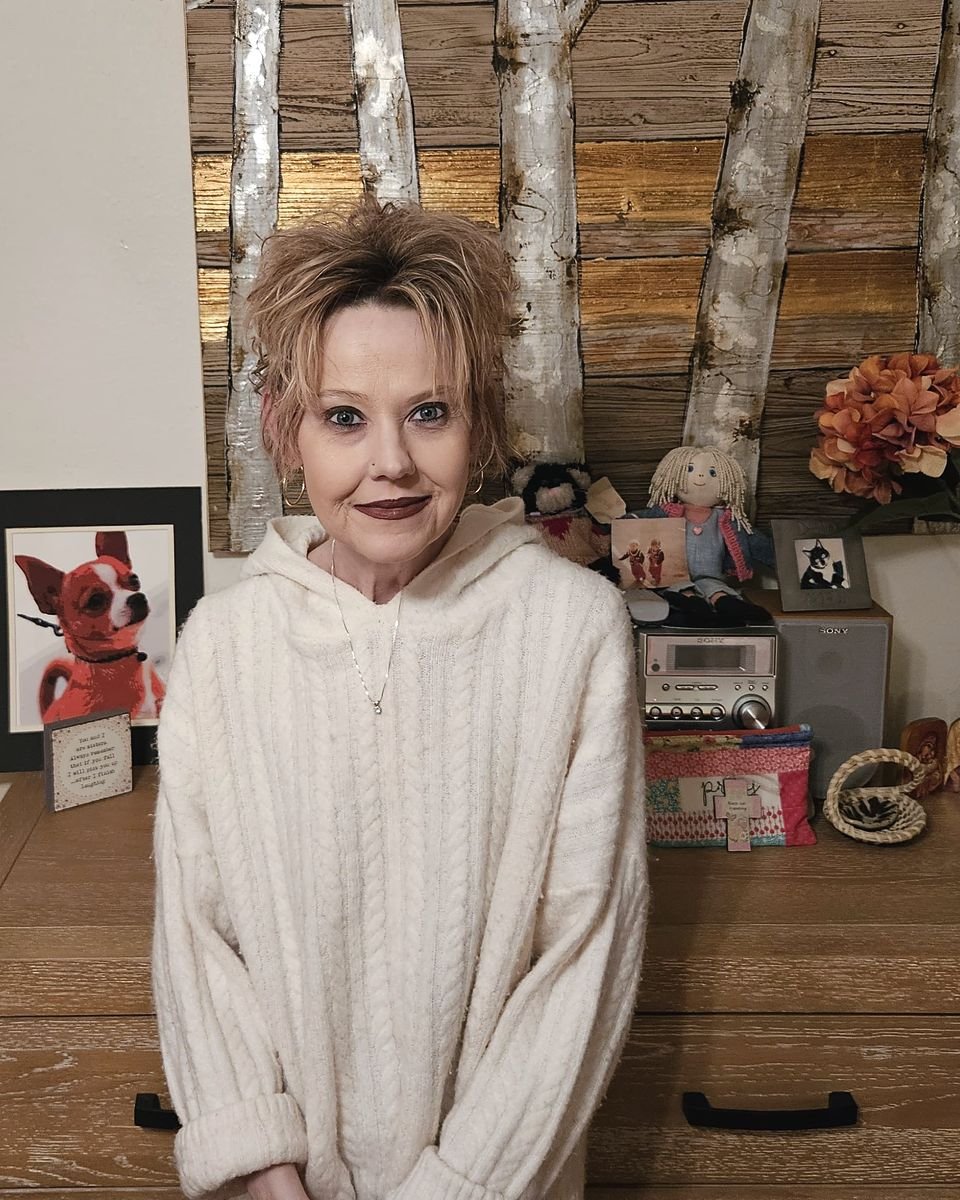
Written by
Tonya Boyett-Etheridge, LCSW-S
Licensed clinical social work supervisor in Texas with 27 years of experience. I see clients in person in San Angelo, TX, and online across Texas.